Why Does My Trash Can Still Smell After It’s Been Emptied?
You roll your trash can back from the curb, open the lid, and immediately notice something strange: the garbage is gone, but the smell is definitely still there.
That is because emptying a trash can removes the bags and loose waste, not necessarily the residue left behind. Leaking bags, food scraps, liquids, moisture, and organic material can stick to the bottom and walls of the cart. Over time, that buildup can continue producing unpleasant odors even when the bin looks empty.
A professional trash can cleaning service can address the surfaces inside the bin that normal trash collection does not clean. Before deciding what your can needs, though, it helps to understand exactly where those lingering smells come from.
Why an Empty Trash Can Can Still Smell
Think about what happens inside a garbage cart during an ordinary week. Bags are placed inside, waste settles under its own weight, and the cart may sit outdoors for days before collection.
Even when every bag makes it into the collection truck, traces of what was inside can remain behind.
Leaking Trash Bags Leave Residue Behind
One small leak can create a surprisingly persistent odor.
Liquids from food containers, spoiled groceries, meat packaging, coffee grounds, sauces, and other household waste can escape through a torn or punctured bag. That liquid may settle in the bottom of the cart or spread along its interior walls.
When the garbage truck empties the bin, the bag leaves. The residue does not necessarily go with it.
Once that material dries onto the plastic, simply putting a new bag into the cart does nothing to remove it.
Food Scraps Can Stick to the Bottom and Walls
Loose food waste is another common source of lingering smells.
A piece of food may fall between bags or escape while a bag is being removed. Small amounts of organic material can become pressed against the plastic, especially at the bottom where the contents of the cart apply the most pressure.
Some residue is easy to spot. Other material becomes a thin film that is much less obvious but can still produce an unpleasant smell.
Moisture Gives Odors More Time to Develop
Trash carts often contain more moisture than homeowners realize.
A leaking bag may introduce liquid from inside the house. Rain can enter if the lid is left partially open. A bin that is rinsed but not allowed to dry can also remain damp.
Moisture combined with leftover organic material creates conditions where smells can develop and linger.
Heat Can Make an Existing Odor More Noticeable
Warm conditions can make food and other organic waste break down more quickly.
That is why a mildly unpleasant bin can become much harder to ignore during hot weather. Lebanon homeowners may notice that cans require more attention during warmer periods, particularly when the household regularly throws away food waste.
Cleaning cannot prevent new trash from producing odors in the future, but removing existing residue gives you a cleaner starting point.
The Lid and Rim May Be Dirty Too
The bottom of the cart gets most of the attention, but it is not the only place waste collects.
Check areas such as:
The underside of the lid
The rim around the opening
Corners and seams
Interior walls
Areas around hinges
The bottom beneath stuck-on debris
A spill near the top of the bin can continue smelling even when the bottom appears relatively clean.
Why Rinsing the Trash Can With a Hose May Not Solve the Problem
A garden hose can be useful for basic maintenance. It may wash away loose dirt, fresh spills, and material that has not yet become stuck to the bin.
The limitation is that water running through a cart does not always remove oily films, dried food residue, sticky liquids, or material trapped in corners.
There is another common problem: rinsing a dirty bin and leaving water inside it.
If residue remains after rinsing, adding moisture without thoroughly cleaning and drying the surface may leave you with a can that still smells once the lid is closed again.
That does not mean homeowners cannot clean their own carts effectively. For a lightly soiled bin, some hands-on cleaning with suitable products and tools may be enough. The bigger the buildup becomes, however, the more work a quick rinse is likely to leave behind.
Cleaning, Sanitizing, and Deodorizing Address Different Parts of the Problem
These terms sometimes get treated as though they mean the same thing, but each serves a different purpose.
Cleaning focuses on physically removing grime, residue, food material, and other buildup from surfaces.
Sanitizing or disinfecting involves treating surfaces according to the process or product being used. Any household disinfecting product should be used exactly as its manufacturer directs.
Deodorizing addresses unwanted smells. It can make a freshly cleaned bin more pleasant, but deodorizing is not a permanent barrier against future odors. New leaks, food residue, and waste can eventually create new smells.
For stubborn trash can odor, removing the material causing the smell is generally more useful than simply trying to cover it with fragrance.
What Professional Trash Can Cleaning Does Differently
Professional bin cleaning is more than treating a garbage cart like a driveway and spraying it with an ordinary pressure washer.
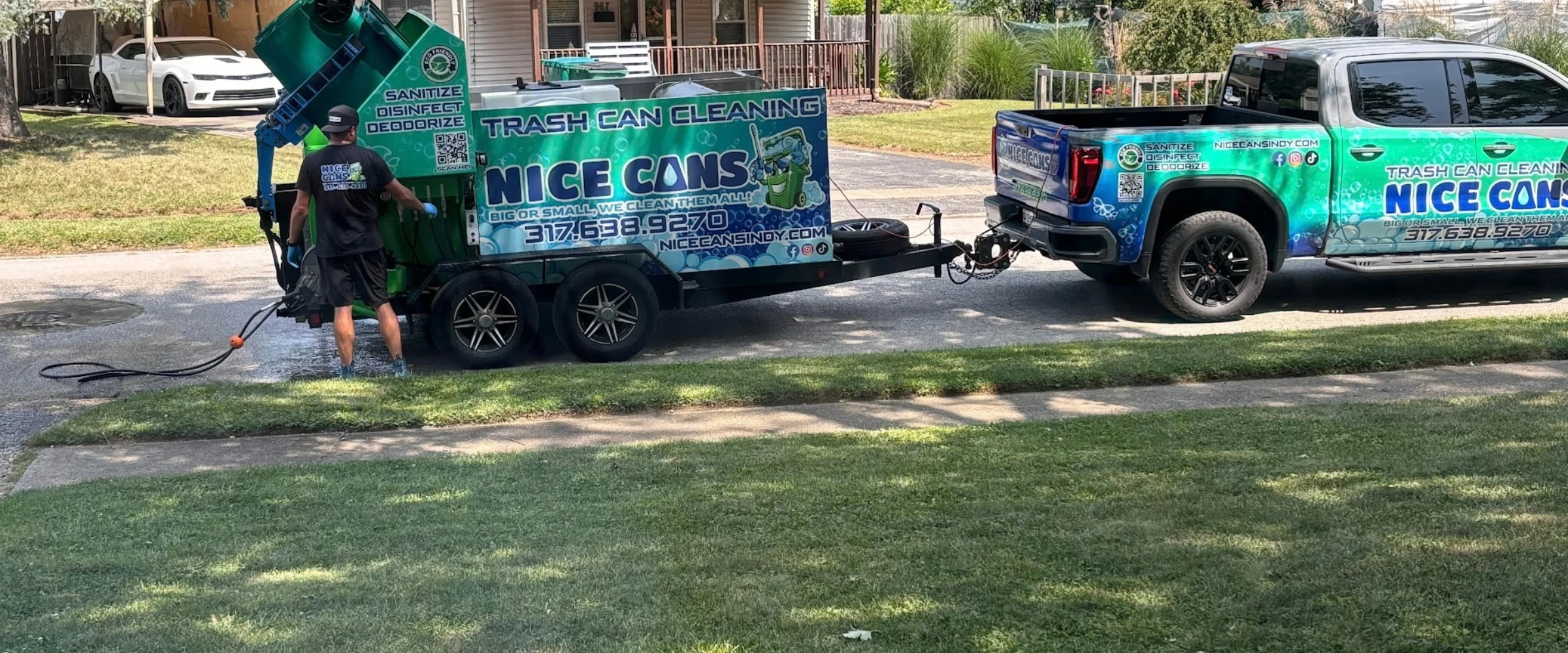
At Nice Cans, we schedule trash can cleaning the day after your scheduled trash and recycling pickup. Customers receive reminders before their cleaning, helping the service fit naturally into the normal collection routine.
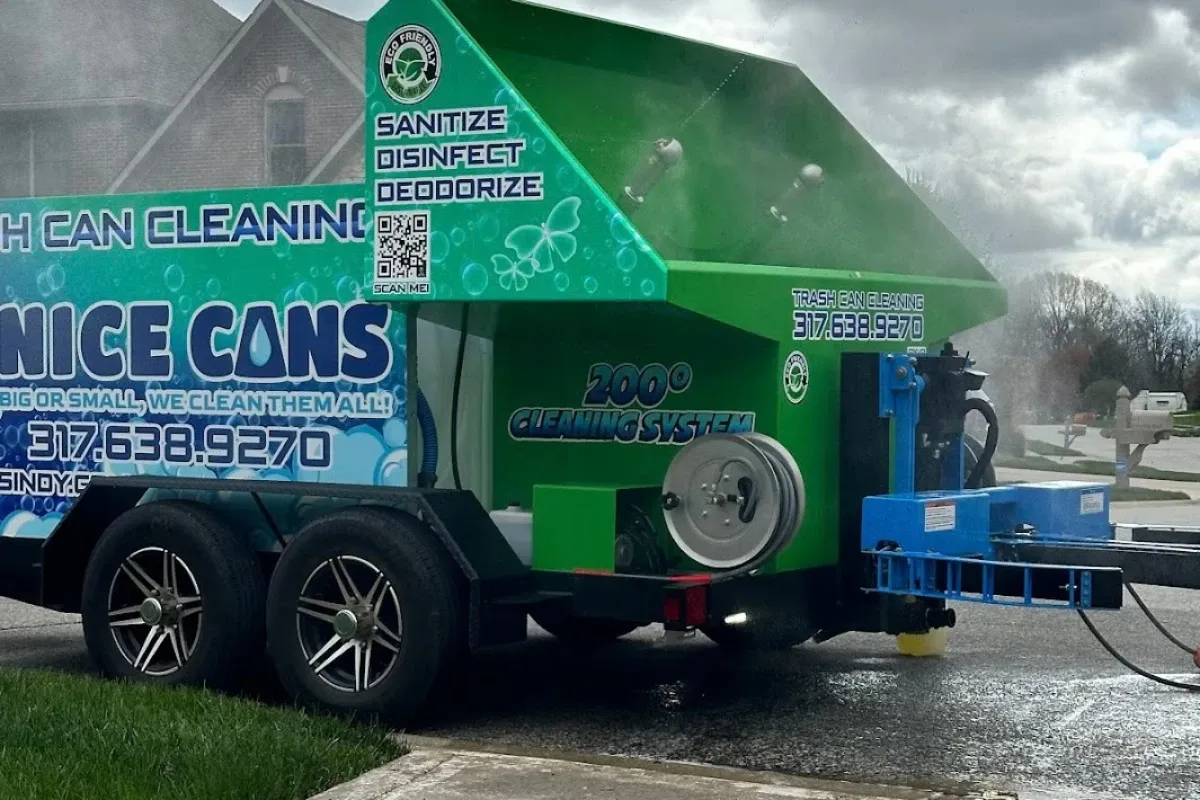
Our process includes sanitizing, deodorizing, and disinfecting the cans with our all-natural cleaning products. The bins also receive a 200°F steam clean, followed by a wipe-down and odor neutralizer. After cleaning, we wheel the cans back up to the house.
The goal is to reach the buildup that remains after collection and provide a more thorough cleaning than a basic household rinse.
Professional cleaning does not mean a trash can can never smell again. Once fresh garbage goes into the cart, new residue and odors can develop. Regular maintenance simply helps keep old buildup from accumulating indefinitely.
How to Reduce Trash Can Odor Between Cleanings
A few habits can make a noticeable difference in how quickly your cart becomes dirty again.
Use Trash Bags That Fit Properly
A bag that is too small, overloaded, or poorly secured is more likely to stretch, tear, or spill.
Choosing an appropriate size and avoiding overfilling can help keep waste contained until trash day.
Watch for Liquids Before Taking Out the Trash
Containers holding leftover sauces, drinks, cooking liquids, or similar waste can leak inside a garbage bag.
Whenever practical, avoid placing significant amounts of loose liquid into household trash. Follow local waste-disposal guidance for materials that require special handling.
Clean Up Spills Early
A fresh spill is usually easier to deal with than residue that has spent several days drying onto the plastic.
If something leaks into the cart, addressing it before the next layer of trash goes in can reduce buildup over time.
Keep the Lid Closed
Keeping the lid properly closed helps limit rainwater from entering the cart and keeps waste contained.
It can also make the bin less accessible to flies and other pests attracted to exposed food waste. Cleaning does not function as pest control, but reducing accessible organic residue may make a bin less attractive to insects.
Let a Rinsed Bin Dry
If you wash your cart yourself, allow it to dry before filling it again when practical.
Leaving dirty water pooled in the bottom defeats much of the purpose of rinsing the bin in the first place.
Useful Products and Resources for Managing Trash Can Odors
You do not need a cabinet full of specialty products to maintain your bins. A few everyday items can help limit leaks, residue, and smells between deeper cleanings.
Febreze TRASH Odor Fighter is designed to attach to a clean, dry surface inside or near a trash can and help control common trash odors. It is an odor-control product rather than a substitute for removing physical residue from a dirty cart.
Hefty Ultra Strong Large Trash Bags are designed to resist leaks, punctures, and rips. A stronger, properly sized bag may help reduce the kinds of leaks that leave food liquids and residue inside an outdoor cart.
Glad Heavy Duty Large Drawstring Trash Bags are another commercially available option designed for larger loads, with odor-control features on certain versions. Check the bag size against the waste container you use rather than assuming one size fits every cart.
The EPA Safer Choice program is useful when comparing household cleaning products. The EPA also provides a searchable list of Safer Choice-certified products for consumers who want to review products that meet its program criteria.
Always follow manufacturer directions when using household cleaning or odor-control products. Confirm that a product is suitable for the surface and intended use, and never mix cleaning chemicals unless the manufacturers specifically state that doing so is safe.
How Often Should You Clean Your Trash Can?
There is no universal schedule that fits every household.
A family that throws away substantial amounts of food waste may notice buildup sooner than a household that produces relatively little organic waste. Cleaning frequency can also depend on leaks, household size, weather, where the cans are stored, and how sensitive you are to odors.
Signs that your cart may be due for cleaning include:
Odor remains after the trash has been collected
Sticky residue is visible inside
Liquid repeatedly collects at the bottom
Food material is stuck to the walls or floor
Flies are frequently attracted to residue around the cart
A quick rinse no longer makes much difference
For homeowners who prefer scheduled maintenance, we currently offer cleaning every 4 weeks, every 8 weeks, or every 12 weeks, as well as one-time cleaning. Recurring service is useful for people who want buildup addressed regularly, while a one-time cleaning can make sense when you simply want to deal with a particularly dirty can.
When Lingering Odor Is a Sign Your Bin Needs More Than a Rinse
If you can see food residue or grime inside the cart, the odor probably is not mysterious. The material producing the smell is still there.
The same is true when you have already rinsed the bin several times but the smell returns as soon as the lid stays closed for a while. Water alone may not have removed everything coating the interior.
For Lebanon homeowners who would rather not scrub a dirty cart by hand, a professional trash can cleaning service provides another option for dealing with stuck-on residue, grime, and persistent odors.
The key is realistic expectations. A cleaned and deodorized bin starts out much fresher, but it is still a trash can. New waste can eventually create new buildup, which is why good bagging habits and periodic cleaning both matter.
Frequently Asked Questions About Our Trash Can Cleaning Service
How does your trash can cleaning service work?
Our trash can cleaning service is designed to make keeping your trash bins simple. We normally schedule your cleaning for the day after your trash and recycling have been collected. Our truck comes to your home, and we use hot water and high pressure to give your trash cans a deep clean.
The cleaning process helps remove gunk, food residue, bacteria, germs, and odors that may remain after your garbage is disposed of. We also sanitize, disinfect, and deodorize the bins so they are fresh and clean when the process is finished. After cleaning, we wheel the clean bins back up to your home.
Do I need to leave my trash cans at the curb?
Yes. On your scheduled service day, leave your trash cans at the curb so our team can easily find and clean them. Your bins should already be empty because we normally come the day after your regular garbage and recycling pickup.
You do not need to sit at home and wait for us. Once our cleaning truck arrives, we handle the dirty work. After the bin cleaning is complete, we return the cans toward your home so they are ready for you to use again.
What does your cleaning process remove?
Our cleaning process is designed to remove the buildup that a normal garbage truck leaves behind. That can include stuck-on food, liquids, gunk, grime, bacteria, germs, and the material that causes strong odors.
Using hot water and pressure allows us to clean areas that may be difficult to reach with a garden hose. We then sanitize, disinfect, and deodorize the garbage cans. The goal is to leave your bins looking and smelling fresh rather than simply spraying them with water.
Is your trash can cleaning process eco-friendly?
We use an eco-friendly process and all-natural cleaning products as part of our service. Our system uses very hot water and high pressure to help clean and sanitize the inside of your trash bins without depending on a large amount of harsh cleaning chemicals.
If choosing an eco-friendly service is important to your family, our bin cleaning process provides a simple way to keep your cans cleaner while letting our truck handle the dirty work.
How often should I have my trash bins cleaned?
How often you need cleaning depends on your household, the amount of trash you create, the time of year, and how quickly odors or buildup return. Some families may need monthly cleaning, while others may be comfortable with service every two or three months.
We offer recurring plans every 4 weeks, 8 weeks, or 12 weeks, along with a one-time cleaning option. You can select the plan that best suits your needs. If you are not sure which schedule is right for your home, contact us, and we can help you get started.
Do you offer one-time cleaning, or do I need a monthly plan?
You can choose either a one-time service or a recurring cleaning plan. You do not have to sign up for monthly service just to have dirty garbage cans cleaned.
A one-time deep clean can be a good choice when your cans have collected a lot of gunk or odors. A recurring plan may be easier if you want your bins cleaned throughout the year without having to remember to schedule each visit. Select the option that works best for your family, budget, and cleaning needs.
How do I schedule service, manage my account, or cancel?
Getting started is easy. Choose the service plan you want, provide your home address and contact information, and set up your account. We use your trash collection day to help schedule your bin cleaning at the right time.
You may also receive an email or other service reminder so you know when your cleaning day is coming. If you have questions about your account, when you will be charged, changing your plan, or how to cancel service, contact us, and we can help. Our goal is to keep the process simple from the first step forward.
What areas do you serve, and how do I know if service is available at my address?
Nice Cans provides trash can cleaning service in Lebanon and other communities in the Indianapolis area. Service may also be available in places such as Carmel, Fishers, and Westfield.
The easiest way to find out whether your address is within our service area is to contact us today. We can check your location, explain the available cleaning plans, and help you select an affordable option that fits your needs. Once your service is set, all you need to do is have your trash cans ready on the scheduled day, and we take care of the rest.
A Cleaner Bin Starts With Removing What the Garbage Truck Leaves Behind
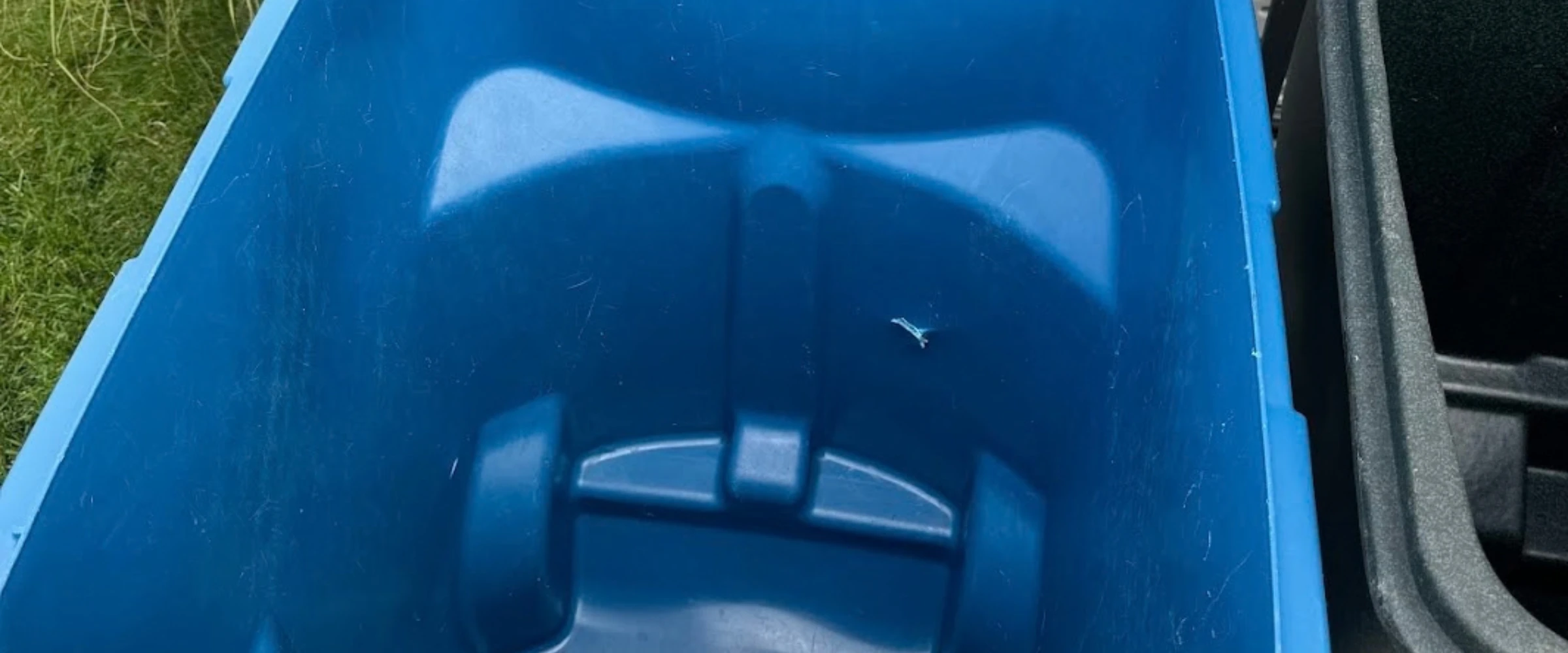
Trash collection empties your can, but it does not wash away every spill, food particle, or layer of residue left on the plastic. That is why a cart can smell surprisingly bad even when there is nothing visible inside it.
Containing waste carefully, dealing with leaks early, keeping moisture under control, and periodically cleaning the bin can all help. When residue has built up beyond what you want to tackle yourself, professional cleaning offers a more thorough option.
Nice Cans provides trash can cleaning for homeowners in Lebanon, IN, with one-time and recurring service options. To discuss your bins or schedule service, call 317-638-9270 or Contact Us.


